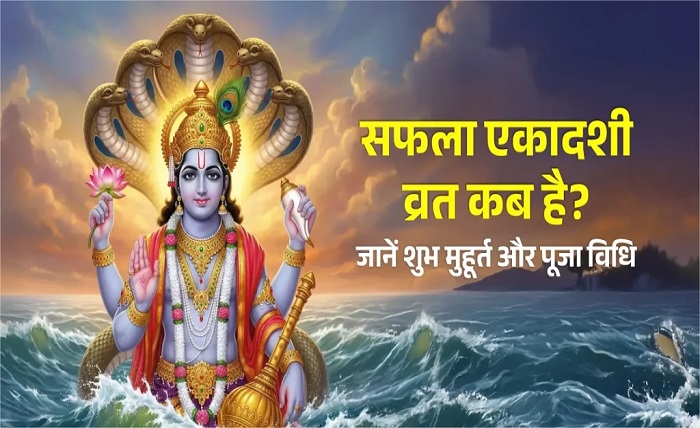
gyaras kab ki hai is one of the most commonly searched spiritual queries among Hindu devotees who follow fasting traditions based on the lunar calendar. In Hindu culture, “Gyaras” refers to the 11th day of both the waxing and waning phases of the moon, also known as Ekadashi. Devotees observe this day with fasting, prayers, and devotion to Lord Vishnu.
Understanding gyaras kab ki hai is important because Ekadashi occurs twice every lunar month, and each has spiritual significance. People often look for exact dates to plan fasting and religious rituals.
In modern times, gyaras kab ki hai is also searched online because people want accurate calendar-based timing, especially when aligning traditional practices with modern work life. This guide will help you understand everything in detail.
Meaning and Spiritual Significance of Gyaras Kab Ki Hai
The meaning of gyaras kab ki hai comes from the Sanskrit word “Ekadashi,” which means “eleven.” It represents the 11th lunar day in the Hindu calendar. Devotees consider this day highly sacred for spiritual purification.
In the context of gyaras kab ki hai, this day is dedicated to Lord Vishnu, who is believed to bless devotees with peace, prosperity, and liberation from sins. Observing fasting on this day is said to cleanse the mind and body.
Spiritually, gyaras kab ki hai is not just about fasting but about self-discipline and devotion. Many scriptures mention that observing Ekadashi brings mental clarity and spiritual upliftment.
People who regularly follow gyaras kab ki hai traditions often experience increased mindfulness, reduced negativity, and stronger faith in divine energy.
Lunar Calendar and Timing of Gyaras Kab Ki Hai
Understanding gyaras kab ki hai requires knowledge of the Hindu lunar calendar, which is based on the phases of the moon rather than the solar calendar. Each month has two Ekadashis.
In terms of gyaras kab ki hai, the timing changes every month because the moon cycle is approximately 29.5 days. This is why devotees always check updated Panchang calendars.
The two types of gyaras kab ki hai are:
- Shukla Paksha Ekadashi (waxing moon)
- Krishna Paksha Ekadashi (waning moon)
Each gyaras kab ki hai holds equal importance, but some are considered more spiritually powerful based on religious texts.
Devotees use Panchang apps and temple announcements to track gyaras kab ki hai, ensuring they observe fasting at the correct time.
Spiritual Benefits of Observing Gyaras Kab Ki Hai
Observing gyaras kab ki hai is believed to bring several spiritual and mental benefits. According to Hindu beliefs, fasting on Ekadashi helps purify the soul and reduce karmic burdens.
One major benefit of gyaras kab ki hai is improved self-control. Fasting helps individuals practice discipline over physical desires and focus more on spirituality.
Another benefit of gyaras kab ki hai is mental clarity. Many devotees report feeling calmer and more focused after observing the fast properly.
In addition, gyaras kab ki hai is associated with positive energy and protection from negative influences. It is believed that Lord Vishnu blesses devotees who observe this day sincerely.
Rituals and Practices of Gyaras Kab Ki Hai
The rituals of gyaras kab ki hai usually begin a day before, on Dashami (10th lunar day), when devotees prepare mentally and physically for fasting.
On gyaras kab ki hai, devotees wake up early, take a holy bath, and offer prayers to Lord Vishnu. Many also visit temples to participate in special prayers and bhajans.
Fasting rules in gyaras kab ki hai vary depending on personal devotion. Some people observe complete fasting without water, while others consume fruits and milk.
Reading sacred texts like Vishnu Sahasranama is a common practice on gyaras kab ki hai, as it is believed to enhance spiritual benefits.
The fast is usually broken the next day after sunrise on Dwadashi, making gyaras kab ki hai a structured spiritual practice.
Importance of Discipline in Gyaras Kab Ki Hai
Discipline plays a major role in gyaras kab ki hai, as fasting requires both mental and physical control. It is not just about avoiding food but also about maintaining purity in thoughts and actions.
In the practice of gyaras kab ki hai, devotees avoid negative behavior such as anger, gossip, and harmful speech. This helps in spiritual development.
Following gyaras kab ki hai regularly builds consistency in spiritual life. Many people use it as a way to reset their habits every fortnight.
Another important aspect of gyaras kab ki hai is charity. Donating food, clothes, or money to the needy is considered highly auspicious on this day.
Regional Traditions of Gyaras Kab Ki Hai
The celebration of gyaras kab ki hai varies across different regions of India and other Hindu communities worldwide. While the core belief remains the same, rituals differ slightly.
In North India, gyaras kab ki hai is often marked by temple visits and devotional singing. Devotees gather in large groups to perform kirtans.
In South India, gyaras kab ki hai is observed with more emphasis on temple rituals and offerings. Special prasadam is distributed among devotees.
In some regions, gyaras kab ki hai is also associated with community fasting events where groups of people observe the fast together for spiritual unity.
Despite regional differences, gyaras kab ki hai remains a unifying spiritual practice among Hindus worldwide.
Modern Relevance of Gyaras Kab Ki Hai
In today’s fast-paced lifestyle, gyaras kab ki hai continues to hold importance as people seek spiritual balance in their busy lives. Many young individuals now follow Ekadashi fasting digitally using mobile apps.
The modern interpretation of gyaras kab ki hai focuses not only on religious belief but also on health benefits such as detoxification and mindful eating.
Corporate professionals and students who observe gyaras kab ki hai often use it as a way to improve concentration and reduce stress.
Social media has also increased awareness about gyaras kab ki hai, with educational posts and digital calendars making it easier to track fasting days.
Conclusion
In conclusion, gyaras kab ki hai is more than just a calendar date—it is a deeply spiritual practice rooted in Hindu tradition and devotion. Associated with Ekadashi, it symbolizes discipline, purity, and devotion to Lord Vishnu.
Understanding gyaras kab ki hai helps devotees align their spiritual practices with lunar cycles and maintain consistency in fasting traditions.
Whether followed strictly or partially, gyaras kab ki hai continues to inspire millions to adopt a more mindful and spiritual lifestyle.
FAQs
1. What is Gyaras Kab Ki Hai?
gyaras kab ki hai refers to the 11th lunar day (Ekadashi) in the Hindu calendar when devotees observe fasting and worship Lord Vishnu.
2. How many times does Gyaras Kab Ki Hai occur in a month?
gyaras kab ki hai occurs twice every lunar month—once during Shukla Paksha and once during Krishna Paksha.
3. Why is Gyaras Kab Ki Hai important?
gyaras kab ki hai is important because it is believed to purify the mind and soul and bring spiritual benefits to devotees.
4. What are the fasting rules of Gyaras Kab Ki Hai?
On gyaras kab ki hai, people may fast completely or consume fruits and milk while avoiding grains and certain foods.
5. Who should observe Gyaras Kab Ki Hai?
gyaras kab ki hai can be observed by anyone who wants to follow spiritual discipline, improve health, or seek religious blessings.