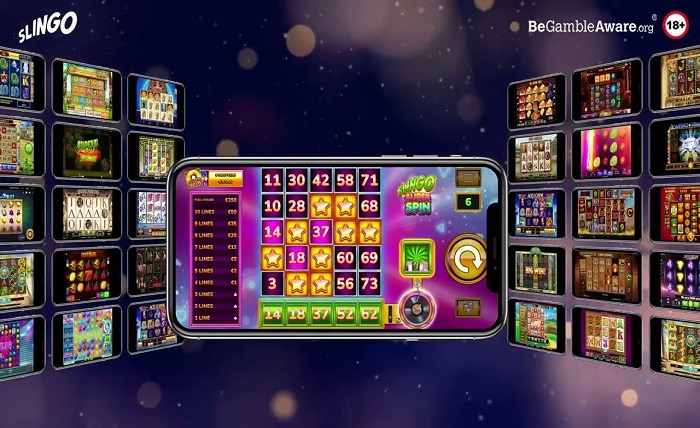
Slot machines are among the most popular attractions in both physical and online casinos. Their bright visuals, engaging sounds, and simple gameplay make them appealing to beginners and experienced gamblers alike. However, behind the flashing lights lies a complex system of algorithms, probability mechanics, and digital technology that ensures fairness and unpredictability.
In this article, we will explore how modern slot machines operate, what determines winning outcomes, and why these games remain so engaging in today’s casino environment. We will also explain the role of the slot demo versions and how they help players understand gameplay before wagering real money.
The Evolution of Slot Machines
Slot machines have come a long way from their mechanical beginnings. Early machines used physical reels and levers, often called “one-armed bandits.” Today, they are fully digital systems powered by advanced software.
Modern slots can be found in:
- Physical casino floors with digital screens
- Online casino platforms
- Mobile gaming applications
- Interactive demo environments for practice play
The transition from mechanical to digital systems has made slot games more flexible, secure, and feature-rich.
Core Components of Modern Slot Machines
To understand how a slot machine works, it is important to know its key components.
- Random Number Generator (RNG)
At the heart of every modern slot is the Random Number Generator. This is a software algorithm that continuously produces random sequences of numbers, even when the machine is not being played.
Each spin is determined by the exact number generated at the moment the player presses the spin button.
- Reels and Symbols
Although digital, modern slots simulate reels and symbols on a screen. These reels display various icons such as fruits, numbers, characters, or themed graphics. - Paylines
Paylines are patterns that determine winning combinations. A win occurs when symbols align according to predefined rules. - Return to Player (RTP) Percentage
RTP represents the theoretical percentage of money returned to players over time. For example, a 96% RTP means the machine returns 96% of wagers over a long period, though short-term outcomes vary. - Volatility Level
Volatility defines risk level:
- Low volatility: frequent small wins
- Medium volatility: balanced outcomes
- High volatility: rare but larger wins
How a Slot Machine Generates Results
The outcome of each spin is not influenced by previous spins or player behavior. Instead, it is entirely random and independent.
Here is how the process works:
Step 1: Player Activates Spin
The moment a player presses the spin button, the system records a request for a result.
Step 2: RNG Selects a Number
The RNG generates a random number within milliseconds.
Step 3: Mapping to Reel Positions
That number corresponds to a specific arrangement of symbols on the reels.
Step 4: Outcome Displayed
The reels stop at positions that match the generated result.
This process ensures fairness and unpredictability in every spin.
The Role of Algorithms in Slot Games
Modern slot machines rely heavily on algorithms to maintain balance and fairness. These algorithms determine:
- Frequency of wins
- Size of payouts
- Bonus trigger probability
- Bonus game mechanics
The system is carefully designed to ensure that while players can win, the casino maintains a long-term advantage.
Importantly, no pattern or strategy can influence the outcome of a spin because each result is mathematically independent.
Understanding Slot Demo Versions
A slot demo is a free-to-play version of a slot game that uses virtual credits instead of real money. These versions are widely used by beginners and experienced players for practice and exploration.
Benefits of slot demo versions include:
- Learning game mechanics without risk
- Testing bonus features and paylines
- Understanding volatility and RTP behavior
- Exploring different themes and styles
Demo versions replicate real gameplay exactly, using the same RNG system. The only difference is that no real money is involved.
This makes them a valuable tool for understanding how slots behave before committing actual funds.
Bonus Features in Modern Slots
Modern slot machines are more than just spinning reels. They include multiple interactive features designed to enhance engagement.
Common bonus features include:
- Free spins rounds
- Multipliers that increase winnings
- Wild symbols that substitute others
- Scatter symbols that trigger bonus games
- Interactive mini-games within the slot
These features are also determined by RNG systems, meaning they are triggered randomly based on probability.
Why Slot Machines Are Always Random
A key feature of modern slot systems is unpredictability. Casinos and developers ensure fairness by using certified RNG systems that are regularly tested by independent agencies.
Reasons for randomness include:
- Preventing predictable outcomes
- Ensuring fairness for all players
- Maintaining long-term profitability for casinos
- Complying with regulatory standards
Because of this system, there is no memory or pattern recognition in slot machines.
Myths About Slot Machines
Many players believe in strategies or myths about influencing slot outcomes. However, most of these are incorrect.
Common misconceptions include:
- “Machines are due for a win after losses”
- “Timing affects the outcome”
- “Betting patterns influence results”
- “Hot and cold machines exist”
In reality, each spin is independent, and previous results do not impact future outcomes.
Slot Machines in Online Casinos
Online casinos have expanded the popularity of slots significantly. Digital platforms offer thousands of variations with different themes, mechanics, and bonus structures.
Key advantages include:
- Instant access from anywhere
- Wide variety of themes and styles
- Availability of slot demo modes
- Advanced graphics and animations
- Mobile-friendly gameplay
Online slots operate using the same RNG technology as physical machines, ensuring fairness and consistency.
The Psychology Behind Slot Games
Slot machines are designed not only for entertainment but also for engagement. Several psychological elements are used to enhance player experience:
Key psychological features include:
- Bright colors and animations
- Reward sounds for wins
- Near-miss effects to maintain excitement
- Fast gameplay cycles
- Anticipation-based design
These elements create an immersive experience that keeps players engaged.
Understanding House Edge
Every slot machine has a built-in mathematical advantage known as the house edge. This ensures that the casino remains profitable over time.
For example:
- If a slot has 96% RTP, the house edge is 4%
This does not guarantee losses in the short term, but it defines long-term statistical outcomes.
Responsible Play and Strategy Awareness
Although slot machines are random, understanding how they work can help players make informed decisions.
Responsible gaming practices include:
- Setting a budget before playing
- Using slot demo versions for practice
- Avoiding emotional betting
- Understanding volatility and RTP
- Treating slots as entertainment, not income
Since outcomes are random, no guaranteed strategy exists for winning.
Conclusion
Modern slot machines are sophisticated systems built on randomness, mathematics, and digital engineering. From RNG algorithms to immersive bonus features, every aspect is designed to create fair and entertaining gameplay.
Understanding how a slot works helps players approach the game with realistic expectations. Tools like the slot demo version provide a risk-free way to explore mechanics and features before playing with real stakes.
While outcomes remain unpredictable, the combination of technology, design, and probability is what makes modern slot games one of the most enduring forms of casino entertainment.